How to Choose the Right DWC Pipe for Your Project Requirements
Double Wall Corrugated (DWC) pipes have become an essential solution for modern infrastructure, drainage, and utility projects. Known for their strength, flexibility, and long service life, DWC pipes are widely used in sewerage, stormwater drainage, telecom ducting, and cable protection systems. However, choosing the right DWC pipe for your specific project is critical to ensure performance, durability, and cost efficiency.
In this comprehensive guide, we will walk you through everything you need to know to select the right DWC pipe based on project requirements, environmental conditions, load capacity, and application type.
What Is a DWC Pipe?
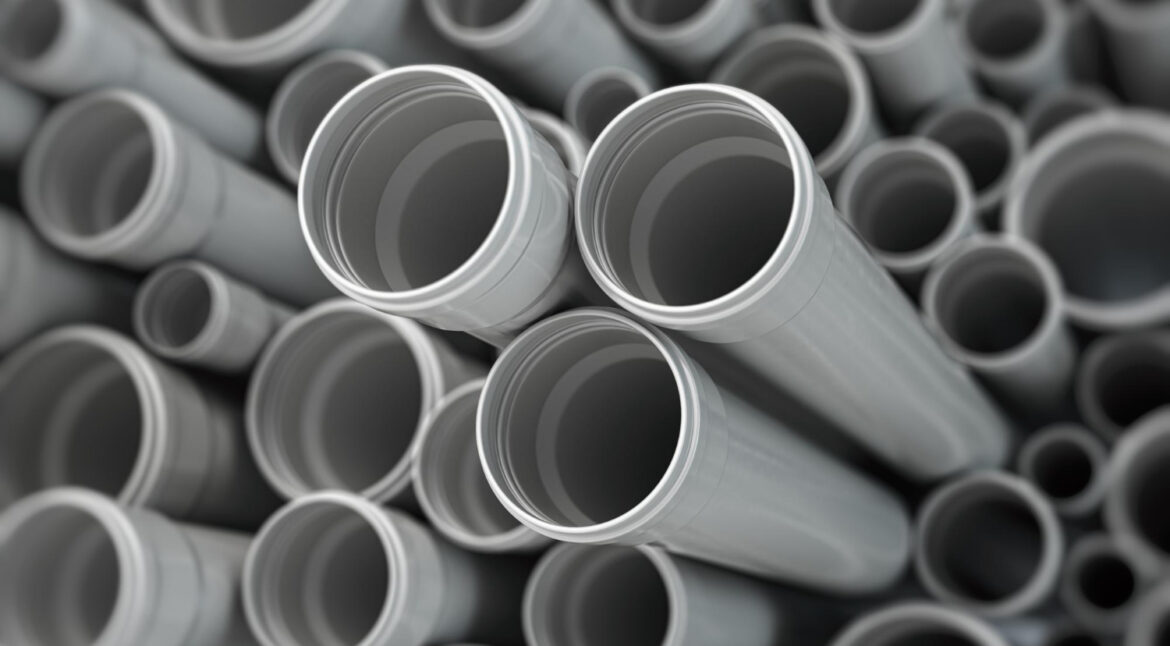
A DWC (Double Wall Corrugated) pipe is a high-density polyethylene (HDPE) pipe designed with two layers:
- Outer Corrugated Wall: Provides high ring stiffness and load-bearing strength.
- Inner Smooth Wall: Ensures efficient fluid flow with minimal friction and clogging.
This dual-layer structure makes DWC pipes ideal for underground applications where strength, flexibility, and long-term performance are required.
Common Applications of DWC Pipes
Before choosing a DWC pipe, it’s important to understand where and how it will be used. Common applications include:
- Underground drainage and sewer systems
- Stormwater management
- Road, highway, and flyover projects
- Telecom and fiber optic cable protection
- Electrical cable ducting
- Industrial wastewater lines
- Smart city and urban infrastructure projects
Key Factors to Consider When Choosing a DWC Pipe
1. Application Type
The first step in selecting the right DWC pipe is identifying the application. Pipes used for drainage require different specifications compared to those used for cable ducting or sewerage.
- Drainage & Stormwater: Focus on flow capacity and ring stiffness.
- Sewerage Systems: Ensure chemical resistance and leak-proof joints.
- Telecom & Power Ducting: Emphasize flexibility and ease of installation.
2. Pipe Diameter and Size
DWC pipes are available in a wide range of diameters, typically from small sizes for cable protection to large diameters for drainage and sewer lines.
Choose the diameter based on:
- Expected flow volume
- Number of cables or utilities
- Future expansion requirements
Selecting the correct size ensures efficient performance and prevents blockages or capacity issues.
3. Ring Stiffness (SN Class)
Ring stiffness is one of the most critical parameters when choosing a DWC pipe. It indicates the pipe’s ability to withstand external loads.
Common SN classes include:
- SN4: Suitable for light-load areas like gardens or shallow installations
- SN8: Ideal for roads, highways, and heavy traffic zones
For projects under roads, railways, or industrial zones, higher ring stiffness is recommended to avoid deformation.
4. Soil and Installation Conditions
Soil type and installation depth play a major role in DWC pipe selection. Factors to consider include:
- Soil bearing capacity
- Groundwater level
- Installation depth
- Compaction quality
In weak or waterlogged soil conditions, pipes with higher stiffness and proper bedding are essential to ensure long-term stability.
5. Load and Traffic Conditions
If the DWC pipe is installed beneath roads, highways, or industrial yards, it must handle continuous dynamic loads.
For such applications:
- Select higher SN-rated pipes
- Ensure proper backfilling and compaction
- Follow installation standards and guidelines
6. Jointing System
The jointing method affects leak-proof performance and installation speed. Common jointing options include:
- Rubber ring (push-fit) joints
- Coupler-based joints
For sewerage and drainage projects, leak-proof joints are essential to prevent infiltration and exfiltration.
7. Material Quality and Standards
Always choose DWC pipes manufactured from high-quality HDPE and compliant with national or international standards such as:
- IS standards (India)
- ISO standards
- ASTM standards
Certified pipes ensure durability, consistent performance, and regulatory compliance.
Advantages of Choosing the Right DWC Pipe
- Long service life (50+ years)
- High resistance to corrosion and chemicals
- Lightweight and easy to install
- Low maintenance costs
- Excellent hydraulic performance
- Environmentally friendly and recyclable
Common Mistakes to Avoid
- Selecting pipe size without considering future demand
- Ignoring soil and load conditions
- Using low SN class pipes in high-traffic areas
- Improper installation and backfilling
Avoiding these mistakes can significantly extend the life of your pipeline system and reduce long-term costs.
Final Thoughts
Choosing the right DWC pipe for your project requirements is not just about selecting a product—it’s about ensuring performance, safety, and sustainability for decades to come. By carefully evaluating application needs, load conditions, pipe size, ring stiffness, and installation environment, you can make an informed decision that delivers reliable results.
Whether you are working on a drainage system, sewer network, or cable ducting project, investing time in selecting the right DWC pipe will pay off through reduced maintenance, longer service life, and improved system efficiency.