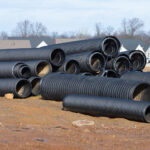
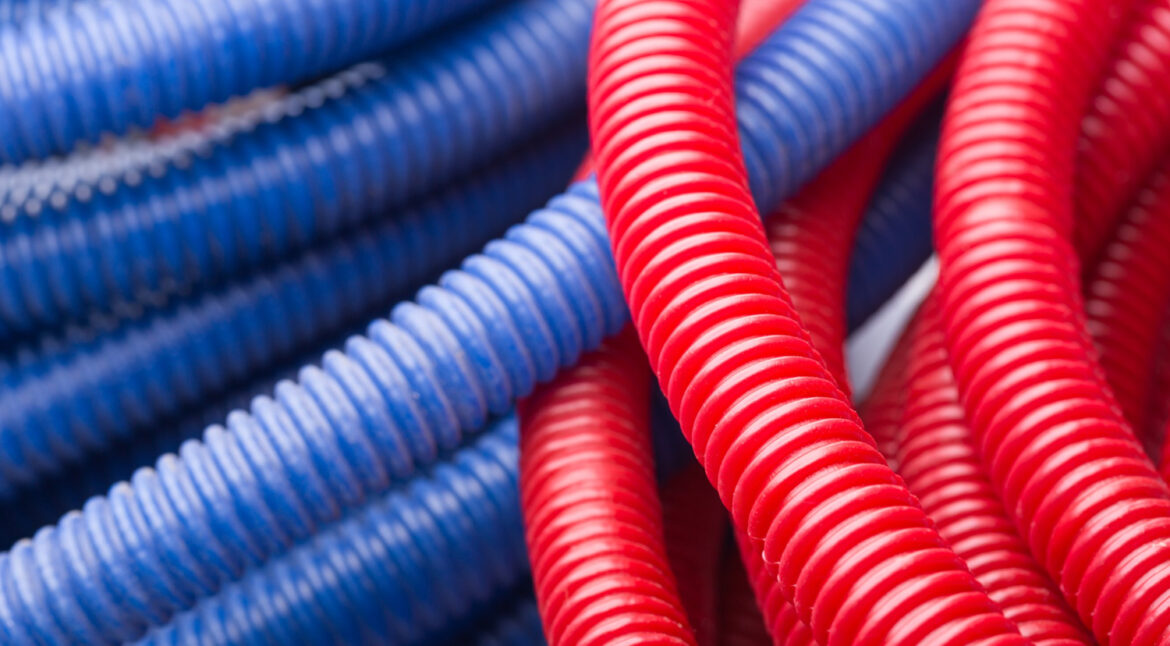
Selecting the right piping system is a crucial decision for any construction, infrastructure, or industrial project. Among the many options available today, HDPE pipes and flexible pipes are widely used due to their adaptability, performance, and cost efficiency. However, both serve different purposes and perform differently depending on project requirements. HDPE Pipes vs Flexible Pipes: Strength, Durability and Cost Comparison
This blog provides a detailed comparison of HDPE pipes and flexible pipes, focusing on strength, durability, and cost, to help engineers, contractors, and project planners make informed decisions.
Understanding HDPE Pipes
HDPE (High-Density Polyethylene) pipes are solid-wall thermoplastic pipes known for their high strength-to-density ratio. They are extensively used in underground water supply systems, gas pipelines, industrial fluid transport, irrigation, and wastewater applications.
HDPE pipes are manufactured to handle high internal pressure and harsh environmental conditions, making them suitable for long-term underground installations.
Understanding Flexible Pipes
Flexible pipes are designed to bend easily without breaking, allowing them to adapt to complex layouts and uneven terrain. These pipes are commonly used in agriculture, drainage systems, HVAC installations, automotive applications, and low-pressure fluid transfer systems.
Their ability to reduce the need for joints and fittings makes them an attractive option for fast and economical installations. HDPE Pipes vs Flexible Pipes: Strength, Durability and Cost Comparison
Strength Comparison
HDPE Pipes
HDPE pipes are engineered to withstand high internal pressure, making them ideal for pressurized systems such as water supply and gas distribution. Their flexibility allows them to absorb shock and vibration caused by ground movement or traffic loads without cracking.
They also perform well under external soil pressure when properly installed, maintaining structural integrity over long periods.
Flexible Pipes
Flexible pipes prioritize bendability over load-bearing strength. While they perform well in low-pressure applications, they are not designed to handle high internal pressure or heavy external loads.
Their strength is sufficient for light-duty underground installations but limited for critical infrastructure projects.
Strength Verdict: HDPE pipes are superior for high-pressure and long-term applications, while flexible pipes are suitable for low-pressure and light-duty use.
Durability and Lifespan
HDPE Pipes
HDPE pipes offer exceptional durability due to their resistance to corrosion, chemicals, and abrasion. Unlike metal pipes, they do not rust, and unlike concrete pipes, they do not crack easily.
With proper installation, HDPE pipes can last more than 50 years, even in aggressive soil and environmental conditions.
Flexible Pipes
The durability of flexible pipes depends largely on the material quality and application. While they perform well in stable environments, prolonged exposure to UV radiation, chemicals, or high temperatures can reduce their lifespan.
Flexible pipes generally offer a moderate lifespan compared to HDPE pipes, making them more suitable for non-critical or temporary installations.
Durability Verdict: HDPE pipes provide long-term durability, while flexible pipes offer moderate durability for specific applications.
Cost Comparison
HDPE Pipes
HDPE pipes typically have a higher initial cost compared to flexible pipes. However, their long service life, leak-proof joints, and low maintenance requirements result in lower lifecycle costs.
Over time, HDPE pipes prove to be a cost-effective investment for large-scale and long-term projects.
Flexible Pipes
Flexible pipes are generally more affordable upfront and require minimal labor for installation. Their lightweight and bendable nature reduce transportation and installation costs.
They are a cost-effective option for small-scale, low-pressure, or short-term projects.
Cost Verdict: Flexible pipes are cheaper initially, while HDPE pipes & DWC Pipe deliver better value over the long term.
Installation and Maintenance
Both HDPE and flexible pipes are lightweight compared to traditional materials, making them easier to handle and install.
HDPE Pipes
HDPE pipes are joined using butt fusion or electrofusion methods, creating strong, leak-proof joints. Installation requires skilled labor and specialized equipment but results in a highly reliable system with minimal maintenance.
Flexible Pipes
Flexible pipes are easy to install and require fewer fittings due to their ability to bend. This reduces installation time and labor costs, making them ideal for quick deployments.
Application Suitability
HDPE Pipe Applications
- Underground water supply systems
- Gas distribution pipelines
- Industrial fluid and chemical transport
- Sewerage and wastewater systems
- Mining and slurry pipelines
Flexible Pipe Applications
- Agricultural irrigation and drainage
- Low-pressure underground utilities
- HVAC and ventilation systems
- Temporary or small-scale installations
Environmental and Sustainability Factors
HDPE and flexible pipes both support sustainable construction practices. HDPE pipes are recyclable and help reduce water loss due to their leak-proof joints. Flexible pipes also minimize material waste due to fewer fittings and efficient installation.
Their lightweight nature reduces transportation emissions, contributing to lower environmental impact.
Which Pipe Should You Choose?
The choice between HDPE pipes and flexible pipes depends on your project requirements:
- Choose HDPE pipes for high-pressure, long-term, and critical infrastructure projects.
- Choose flexible pipes for low-pressure, cost-sensitive, or complex routing applications.
Conclusion
HDPE pipes and flexible pipes both offer distinct advantages, making them valuable solutions for modern piping systems. HDPE pipes stand out for their strength, durability, and long service life, making them ideal for critical underground installations. Flexible pipes, on the other hand, offer ease of installation, adaptability, and affordability for light-duty applications.
Understanding the differences in strength, durability, and cost will help you select the right piping solution that ensures efficiency, reliability, and long-term value for your project.