Why HDPE Pipes and Flexible Pipes Are Ideal for Underground Installations
Underground infrastructure plays a critical role in modern development, supporting water supply, drainage, gas distribution, electrical networks, and industrial utilities. Selecting the right piping material for underground installations is essential to ensure long-term performance, safety, and cost efficiency. Among the various options available, HDPE pipes and flexible pipes have emerged as highly effective solutions for underground applications.
Their unique combination of strength, flexibility, durability, and ease of installation makes them suitable for diverse underground conditions. This blog explores why HDPE pipes and flexible pipes are considered ideal choices for underground installations and how they outperform traditional piping materials.
Challenges of Underground Installations
Underground environments present several challenges that piping systems must withstand over decades of use. These challenges include soil pressure, ground movement, moisture, chemical exposure, temperature variations, and external loads from traffic or structures above.
Traditional materials such as concrete and metal pipes often face issues like corrosion, cracking, joint leakage, and high installation costs. Modern projects require piping solutions that can adapt to these conditions without compromising performance, which is where HDPE and flexible pipes excel.
Overview of HDPE Pipes
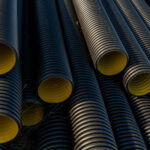
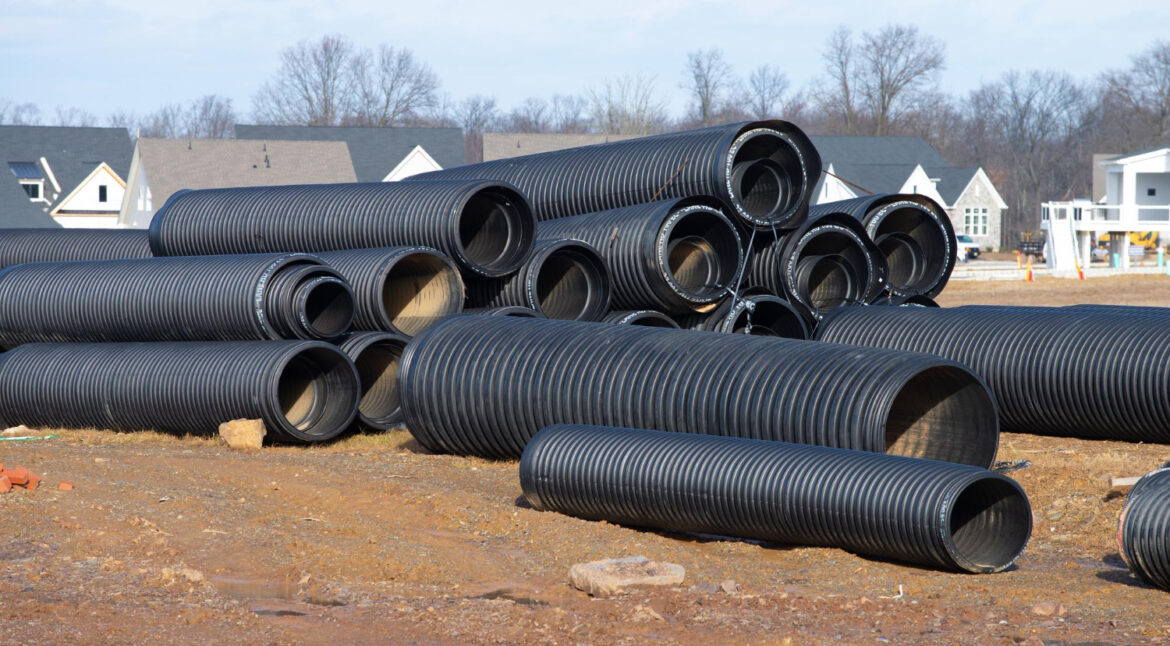
HDPE (High-Density Polyethylene) pipes are solid-wall plastic pipes manufactured from high-quality polyethylene resin. They are widely used in underground water supply, gas pipelines, irrigation systems, industrial fluid transport, and wastewater management.
HDPE pipes are known for their high strength-to-density ratio, making them lightweight yet extremely durable. Their ability to withstand internal pressure and external stress makes them a preferred choice for critical underground installations.
Overview of Flexible Pipes
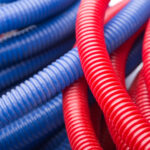
Flexible pipes are designed to bend and adapt to installation paths without breaking or cracking. These pipes are commonly used in agriculture, drainage, HVAC systems, and low-pressure underground utilities where routing flexibility is required.
Their adaptability allows them to be installed around obstacles, uneven terrain, and complex layouts, reducing the need for multiple joints and fittings.
Key Reasons HDPE Pipes Are Ideal for Underground Installations
1. High Strength and Pressure Resistance
HDPE pipes are engineered to handle high internal pressure, making them ideal for underground water supply and gas distribution systems. Their flexibility allows them to absorb shock and vibration caused by ground movement or traffic loads without cracking.
2. Excellent Resistance to Corrosion and Chemicals
Unlike metal pipes, HDPE pipes do not corrode or rust when exposed to moisture or aggressive soil conditions. They are also resistant to a wide range of chemicals, making them suitable for industrial and wastewater applications.
3. Leak-Proof Jointing
HDPE pipes use advanced jointing methods such as butt fusion and electrofusion, which create a continuous, leak-proof pipeline. This reduces water loss, prevents contamination, and improves system reliability.
4. Long Service Life
With proper installation, HDPE pipes can last more than 50 years underground. Their resistance to wear, abrasion, and environmental stress ensures consistent performance over time.
Why Flexible Pipes Perform Well Underground
1. Superior Flexibility
Flexible pipes can bend without breaking, allowing them to accommodate soil settlement, minor ground movement, and uneven trench conditions. This reduces stress on joints and minimizes the risk of failure.
2. Faster and Easier Installation
Due to their bendable nature, flexible pipes require fewer fittings and joints. This speeds up installation, reduces labor costs, and minimizes excavation work.
3. Cost-Effective Solution
Flexible pipes generally have a lower initial cost compared to rigid piping systems. Their quick installation and reduced material requirements make them an economical option for small to medium-scale underground projects.
4. Adaptability to Complex Layouts
In areas with limited space or multiple underground utilities, flexible pipes can be routed easily around obstacles. This makes them ideal for urban and retrofit projects.
Durability Under Soil and Environmental Stress
Both HDPE and flexible pipes perform exceptionally well under soil pressure and environmental stress. HDPE pipes combine strength and flexibility to withstand heavy loads, while flexible pipes absorb movement without cracking.
Their resistance to moisture and soil chemicals further enhances their durability, making them reliable choices for underground installations in diverse environments.
Installation and Maintenance Advantages
One of the key benefits of HDPE and flexible pipes is their ease of installation. Being lightweight, they are easier to transport and handle compared to concrete or metal pipes.
Additionally, these pipes require minimal maintenance once installed. Their smooth internal surfaces reduce friction and prevent buildup, ensuring efficient flow and lower long-term maintenance costs.
Common Underground Applications
HDPE Pipe Applications
- Underground water supply networks
- Gas distribution pipelines
- Industrial fluid and chemical transport
- Wastewater and sewer systems
- Mining and slurry pipelines
Flexible Pipe Applications
- Agricultural drainage and irrigation
- Low-pressure underground drainage
- HVAC and utility conduits
- Temporary or small-scale underground systems
Environmental and Sustainability Benefits
HDPE and flexible pipes support sustainable construction practices. Both are manufactured from recyclable materials and require less energy to produce and transport due to their lightweight nature.
Their long service life and reduced leakage help conserve water and resources, making them environmentally responsible choices for underground infrastructure.
Choosing Between HDPE Pipes and Flexible Pipes
The choice between HDPE pipes and flexible pipes depends on project requirements:
- Choose HDPE pipes for high-pressure, long-term, and critical underground applications.
- Choose flexible pipes for low-pressure, cost-sensitive, or complex routing installations.
Understanding soil conditions, load requirements, and system pressure will help determine the most suitable option.
Conclusion
HDPE pipes and flexible pipes have transformed the way underground infrastructure is designed and built. Their ability to withstand environmental stress, adapt to ground movement, and deliver long-lasting performance makes them ideal for modern underground installations.
While HDPE pipes provide unmatched strength, durability, and leak-proof performance for critical systems, flexible pipes offer convenience, adaptability, and cost savings for lighter applications. Together, they address a wide range of underground challenges, supporting reliable, efficient, and sustainable infrastructure development.