HDPE Pipes vs Flexible Pipes vs DWC Pipes: Strength, Durability & Cost Comparison
Choosing the right piping system is a critical decision for any infrastructure, industrial, or utility project. With multiple options available in the market, understanding the differences between HDPE pipes, flexible pipes, and DWC (Double Wall Corrugated) pipes is essential to ensure performance, longevity, and cost efficiency. HDPE Pipes vs Flexible Pipes vs DWC Pipes: Strength, Durability & Cost Comparison
Each type of pipe has unique characteristics, strengths, and ideal applications. This blog provides a detailed comparison of HDPE pipes, flexible pipes, and DWC pipes based on strength, durability, cost, and real-world usage to help you make an informed decision.
Overview of the Three Pipe Types
What Are HDPE Pipes?
HDPE (High-Density Polyethylene) pipes are solid-wall plastic pipes known for their high strength, flexibility, and resistance to corrosion and chemicals. They are widely used in water supply, gas distribution, irrigation, and industrial applications.
What Are Flexible Pipes?
Flexible pipes are designed to bend and adapt to different layouts without cracking. They are commonly used in agriculture, HVAC systems, automotive industries, medical applications, and low-pressure fluid or air transfer systems.
What Are DWC Pipes?
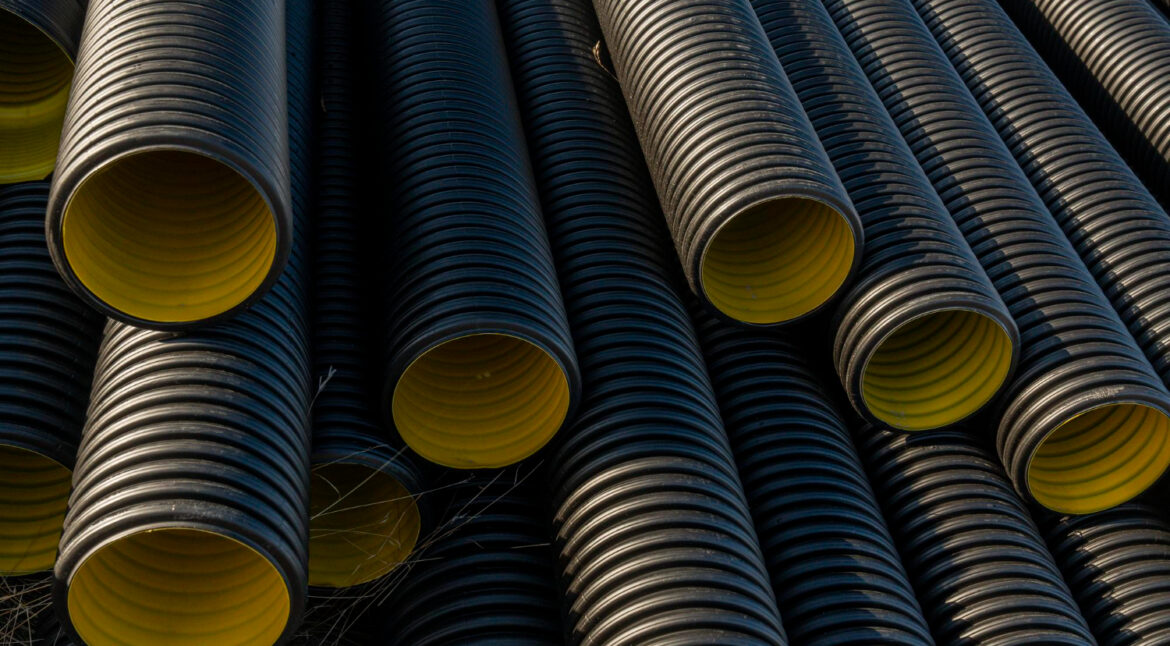
DWC (Double Wall Corrugated) pipes feature a corrugated outer wall for strength and a smooth inner wall for efficient flow. Manufactured primarily from HDPE, these pipes are widely used for underground drainage, sewerage, cable ducting, and infrastructure projects.
Strength Comparison
HDPE Pipes
HDPE pipes offer excellent tensile strength and pressure-bearing capacity. They are designed to handle high internal pressure, making them ideal for water supply and gas pipelines. Their flexibility allows them to absorb ground movement without cracking. HDPE Pipes vs Flexible Pipes vs DWC Pipes: Strength, Durability & Cost Comparison.
Flexible Pipes
Flexible pipes prioritize bendability over load-bearing strength. While they perform well in low-pressure applications, they are not suitable for heavy external loads or deep underground installations.
DWC Pipes
DWC pipes are specifically engineered for high external load resistance. The corrugated outer layer provides superior ring stiffness, allowing these pipes to withstand soil pressure and traffic loads, especially in road and highway installations.
Strength Verdict:
HDPE pipes excel in internal pressure applications, DWC pipes dominate in external load-bearing conditions, while flexible pipes are best for light-duty uses.
Durability and Lifespan
HDPE Pipes
HDPE pipes are highly durable and resistant to corrosion, chemicals, and abrasion. With proper installation, they can last over 50 years, even in harsh environmental conditions.
Flexible Pipes
Flexible pipes have moderate durability. Their lifespan depends heavily on the material quality and application. They may degrade faster under UV exposure, high temperatures, or chemical contact if not designed for such conditions.
DWC Pipes
DWC pipes offer long-term durability for underground applications. Their resistance to soil chemicals, moisture, and deformation ensures reliable performance for decades, often exceeding 50 years.
Durability Verdict:
HDPE and DWC pipes offer superior long-term durability, while flexible pipes are better suited for short to medium-term or low-stress applications. HDPE Pipes vs Flexible Pipes vs DWC Pipes: Strength, Durability & Cost Comparison.
Cost Comparison
HDPE Pipes
HDPE pipes typically have a higher initial cost compared to flexible pipes. However, their long lifespan, low maintenance, and minimal leakage result in lower lifecycle costs.
Flexible Pipes
Flexible pipes are generally the most affordable option upfront. They are easy to install and require minimal fittings, making them cost-effective for small-scale or temporary systems.
DWC Pipes
DWC pipes offer an excellent balance between cost and performance. While their initial cost may be higher than flexible pipes, they are often more economical than traditional concrete systems and provide significant savings in installation and maintenance. HDPE Pipes vs Flexible Pipes vs DWC Pipes: Strength, Durability & Cost Comparison
Cost Verdict:
Flexible pipes are cheapest initially, HDPE pipes provide long-term value, and DWC pipes deliver cost efficiency for large-scale underground projects.
Installation and Handling
HDPE Pipes
HDPE pipes are lightweight and easy to transport. They can be joined using butt fusion or electrofusion, creating leak-proof joints ideal for pressure systems.
Flexible Pipes
Flexible pipes are the easiest to install due to their bendability. They require fewer joints and fittings, reducing installation time and labor costs.
DWC Pipes
DWC pipes are lightweight compared to concrete pipes and feature push-fit or rubber ring joints. This enables fast installation, especially in long underground runs. HDPE Pipes vs Flexible Pipes vs DWC Pipes: Strength, Durability & Cost Comparison
Application Suitability
HDPE Pipe Applications
- Water supply and distribution
- Gas pipelines
- Agriculture irrigation
- Industrial fluid transport
- Mining and slurry lines
Flexible Pipe Applications
- Agriculture drip and sprinkler systems
- HVAC and ventilation
- Automotive fluid transfer
- Medical and food-grade tubing
DWC Pipe Applications
- Underground drainage and sewerage
- Stormwater management
- Road and highway projects
- Telecom and electrical cable ducting
- Smart city infrastructure
Environmental and Sustainability Factors
All three pipe types offer environmental advantages compared to traditional materials like metal and concrete. HDPE and DWC pipes are recyclable and require less energy to manufacture and transport. Flexible pipes, when made from high-quality polymers, also contribute to reduced material waste due to their efficient installation.
DWC pipes, in particular, support sustainable urban drainage systems by improving water flow efficiency and reducing long-term maintenance needs.
Which Pipe Should You Choose?
The right choice depends on your project requirements:
- Choose HDPE pipes for pressure applications like water and gas supply.
- Choose flexible pipes for low-pressure, short-distance, or complex routing needs.
- Choose DWC pipes for underground drainage, sewerage, and infrastructure projects requiring high external load resistance.
Evaluating factors such as load conditions, pressure requirements, environmental exposure, and budget will help you select the most suitable piping system.
Conclusion
HDPE pipes, flexible pipes, and DWC pipes each play a vital role in modern infrastructure and industrial systems. While HDPE pipes excel in pressure-bearing and long-term durability, flexible pipes offer convenience and affordability for light-duty applications. DWC pipes stand out as the preferred solution for underground infrastructure due to their strength, durability, and cost efficiency.
Understanding these differences allows engineers, contractors, and project planners to make informed decisions that ensure performance, safety, and long-term value. As infrastructure demands continue to grow, selecting the right pipe technology will remain a key factor in project success.